Cresting Arrows

Started out two colours ... then the archer got the cresting bug.
One of the great things about making your own arrows is personalizing them. There's so many ways to stamp your personality on your HIT-iles (they aren't MISS-iles now are they ;o). Fletching is the most recognizable way where you can have all the same colour, "1 cock and 2 hen", three all different, banded feathers, Japanese style Hann-Bun Kuro, parabolic, shield, size of fletch, the material ... the possibilities are pretty large and you can be very expressive. On top of that, you can put colourful wraps on your arrows for an extra dash of colour and style ... If you want luminous leopard print arrows, knock yourself out! But our traditional brethren have an extra level of personalisation for their arrows very much in tune with their historic grounding .. its called Cresting.
Exactly what is Cresting?: Arrow cresting is, at its basis, the practice of applying decorative bands, patterns, or colors to the rear end of an arrow shaft, typically in front of the fletchings. This is similar in effect to vinyl wraps on carbons but, given this was originally from medieval times, its applied using paint. This is done by holding the paintbrush at right angles to the shaft which is rotating in a jig. If you aren't keen on the idea of paint .. special pens, magic markers and even drafting pens are all fair game.
Why did it exist?: Bizarrely, or predictably given archery trends tend to travel in circles, many of the historical reasons for cresting are exactly the same as why we personalize our arrows today.
- Ownership and Identification: From the ancient times right up till 1939 (when Jim Easton created aluminum shafts), all arrows were handcrafted, making them valuable personal property. Having distinctive colors and patterns allowed archers to identify their arrows when being collected as we were yet to enter the age of coloured flechings. This obviously ensured you could score your arrows easily with the added benefit they did not "walk off" in someone else’s equipment bag.
- Standardization for Competition: Archery evolved into a structured sport in the late 19th century. Especially after the obsessive compulsive Victorians got their hands on it, cresting helped archers match sets of arrows that behaved similarly. In other words the Victorians were matching their arrows in crested sets based on their performance. The crests had effectively evolved into tuning marks used to identify which arrows were grouping together so improving scores through consistency.
- Identification of Fletchers: Historical records make it clear that arrow makers (fletchers) used specific crests to mark their work. In many ways like a brand or trademark. This was good advertising for their product if it performed well. Its certainly on record that some fletchers were very much in demand during the Victorian period.
- Cultural or Familial Marking: In some non western cultures, particularly historical Turkish and Islamic archery, cresting on the nock end was common. While it was believed the cresting was to identify the type of arrow. Their arrows were also personalized via cresting for the owner's family name. Sort of like a cool archery "coat of arms". The Ottoman Turks took this even further using inscriptions and calligraphic marks on the shafts.
- Visibility: And because its archery, bright or contrasting colors on the shaft make arrows easier to locate. Be it in the grass or viewing a target from distance .. but mostly for finding in the grass obviously! (not that we're saying trad miss a lot .. honest mister!)
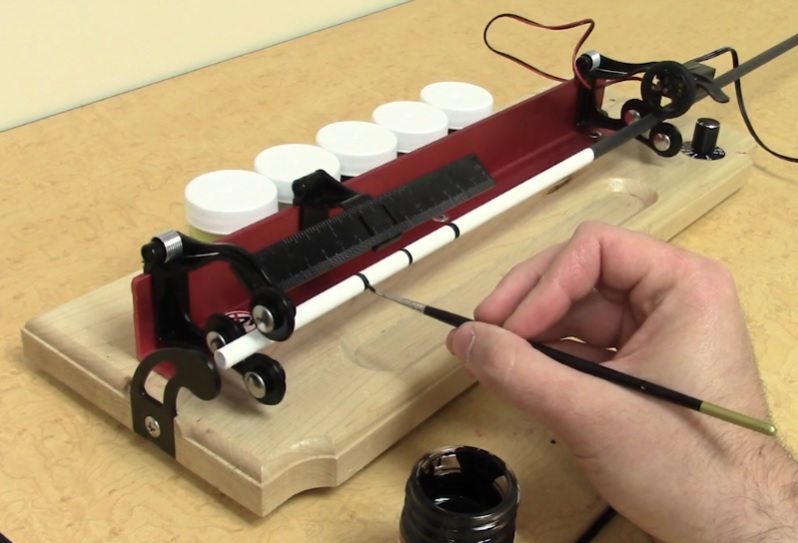 Cresting today: In the present day, cresting is something unique to the traditionalists. Oh, they can do the usual fletching tricks but woodies look good when crested and you can really get creative with your cresting patterns. Merlin, who love their traditional archery, carry quite a few products for the cresters amongst us including powered cresting jigs that rotate the shaft for you. These used to be pretty expensive and the only real alternative was to make your own. There are guides on how to do this on YouTube (see link below). However, there must an uptick in interest in the community recently as Bohning have brought out a new cresting jig called the Revolution Arrow Crester at the reasonable price of £129. In the past £250+ was more the asking rate for a cresting jig so this is a real jump in affordability. A.W Archery also has a heavy duty cresting jig on Merlin but this is a lot more expensive which might be prohibitive if you were only going to be making a dozen or two arrows a year.

Homemade fletching jig for less than £50
So if you are making woodie arrows and want something individual and unique or if you like your archery old school, consider cresting your arrows. They'll certainly catch the eye when you are on the line or in the target.
To sum up .. Traditional archery has its roots in the history of archery. Cresting is very much a historical process. Many traditional archers like their archery historical. Cresting isn’t just decoration; it’s a link to the craft traditions that shaped archery for centuries. Seems like a match made in heaven for the traditionalists.
Article we published on making your own woodies.
Link to videos about making your own cresting jig
* * *
Note: As always, do your own research. We look for products that SHOULD be dependable i.e. in the main Bohning produce good kit but the above home made jig came about after the professionally produced jig broke first time out. So as always, when purchasing archery kit, buyer beware.
Discover more from Glasgow Archers
Subscribe to get the latest posts sent to your email.